

Modern espionage fiction doesn’t succeed because intelligence agencies are flawless.
It succeeds because they’re not.
Again and again, history has shown that the greatest geopolitical shocks weren’t caused by a lack of intelligence—but by failures in interpretation, communication, and action. These moments don’t just reshape the world; they define the emotional and moral terrain that realistic spy thrillers explore so well.
If you want to understand why intelligence work in fiction feels darker, sharper, and more urgent than ever, you have to look at the moments when intelligence failed—and why those failures keep repeating.
Intelligence Warnings That Went Unheard
Attack on Pearl Harbor
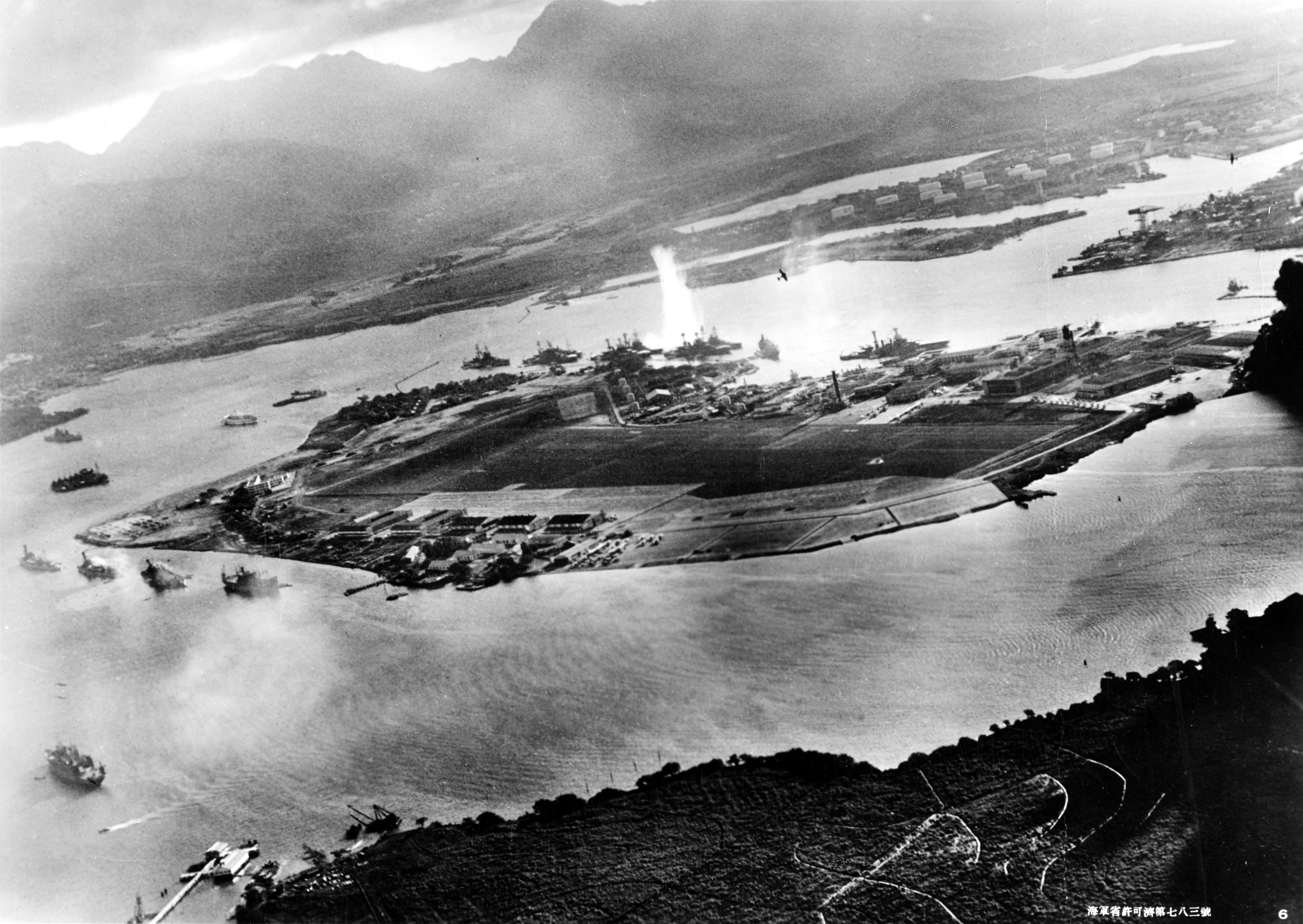
Before Pearl Harbor, U.S. intelligence had intercepted Japanese communications and recognized rising tensions. Analysts knew something was coming.
What they didn’t agree on was how bold the attack would be.
The prevailing belief was that Japan wouldn’t risk striking such a heavily defended target. That assumption—not missing data—proved catastrophic.
This is a cornerstone of intelligence tradecraft novels: threats aren’t invisible, they’re unbelieved. Analysts are ignored not because they’re wrong, but because their conclusions challenge institutional comfort.
Bay of Pigs Invasion

The Bay of Pigs invasion illustrates a different kind of intelligence failure—one driven by narrative rather than evidence.
Planners assumed Cuban citizens would rise up against Fidel Castro. Intelligence that contradicted this belief was minimized or reframed. The operation moved forward not because it was sound, but because it fit the story leadership wanted to believe.
In modern espionage fiction, this is where tension thrives: intelligence shaped by politics, analysts pressured to support conclusions already decided, and truth becoming a liability.
September 11 attacks

Few events loom larger over contemporary intelligence than 9/11.
Multiple agencies held fragments of the warning:
- Known extremist operatives
- Suspicious flight school activity
- Signals intelligence pointing toward an imminent attack
But the information lived in silos. No single authority connected the dots fast enough.
This systemic failure—rather than a single mistake—is central to realistic spy thrillers, where danger emerges not from a mastermind villain, but from fractured systems unable to act as one.
Why Intelligence Keeps Failing
Across decades of intelligence history, failures tend to share the same roots:
- Cognitive bias – Analysts see what aligns with expectations
- Political pressure – Conclusions shaped by leadership priorities
- Bureaucratic inertia – Urgency diluted by process
- Fear of being wrong – Silence feels safer than escalation
These aren’t technical shortcomings. They’re human ones.
That’s why intelligence work translates so effectively into fiction. Intelligence work in fiction isn’t about omniscient agencies—it’s about flawed people navigating incomplete information under enormous pressure.
Why This Matters in Modern Espionage Fiction
Today’s readers understand that intelligence agencies don’t operate with perfect clarity. Surveillance is expansive, data is abundant—but certainty remains elusive.
The most compelling modern espionage fiction reflects this reality.
Instead of asking “Can intelligence stop the threat?”, these stories ask:
- What happens when intelligence arrives too late?
- Who bears responsibility when warnings are ignored?
- How much truth can survive inside political machinery?
In intelligence tradecraft novels, realism isn’t found in gadgets or jargon—it’s found in hesitation, miscalculation, and consequence.
The Moral Weight of Knowing
One question echoes through both history and fiction:
If someone knew enough to stop it… why didn’t they?
That question fuels the best spy thrillers. Characters aren’t chasing villains—they’re reckoning with guilt, missed signals, and the irreversible cost of delay.
In grounded espionage stories, intelligence doesn’t offer comfort. It offers responsibility.
Why These Stories Endure
Technology evolves. Surveillance expands. Data multiplies.
But intelligence failures persist—because human nature doesn’t change.
That’s why realistic spy thrillers continue to resonate. They don’t promise control. They expose fragility. And they remind us that the most dangerous gap isn’t between nations—it’s between knowing and acting.
If you’re drawn to thrillers rooted in how intelligence really operates, you can start with two free chapters of The Catalogue or find the full novel on Amazon.

